Author conversation
Lessons from the Abdul El-Sayed vs. Tommy Video About Calling Out Bias
October 19, 2026 · With Dr. Evelyn R. Carter
This episode is for you if you’ve ever frozen at the dinner table when someone said something racist, then replayed it for days wishing you’d said something. Or if you’ve ever told yourself “it’s not my place.”
What do you actually do when someone you love says something racist? Becky and Taina talk with social psychologist and DEI practitioner Dr. Evelyn R. Carter, author of Was That Racist? How to Detect, Interrupt, and Unlearn Bias in Everyday Life. They dig into why so many well-meaning people freeze instead of confronting racism, and why speaking up is everyone’s responsibility (especially white folks).
Dr. Carter breaks down the gap between the 80% of people who say they’d speak up and the 25–33% who actually do. She explains why 98% of confronting happens with friends, family, and acquaintances, not strangers. And she shares the deceptively simple question that can disarm bias in the moment: “What makes you say that?” Along the way, they unpack Dr. Abdul El-Sayed’s viral exchange with “Tommy,” the difference between being kind and being nice, and racial bias vs. racism. Taina shares the time she gave a restaurant customer “the Tommy treatment,” and Becky talks about stepping in when a stranger harassed a mom in a hijab at the grocery store.
“Oftentimes we are socialized to believe that that discomfort is a sign that we need to flee… And instead that discomfort is a sign that we need to engage more.”
— Dr. Evelyn R. Carter
Prefer to listen?
🎧 Listen on SpotifyWant to keep the conversation going?
Dr. Carter is joining us for a live author Q&A inside the Messy Liberation Circle. Bring your questions, your stories, and your trickiest “was that racist?” moments.
In This Episode, We Get Into:
- Why “it’s not my place” is a cop-out, and why people outside a targeted group are often heard more when they call out bias
- Treating that pounding heart and churning stomach as a signal to engage, not flee
- The gap between the 80% of people who say they’d speak up and the 25–33% who actually do (plus a hand-washing detour on “moral hygiene”)
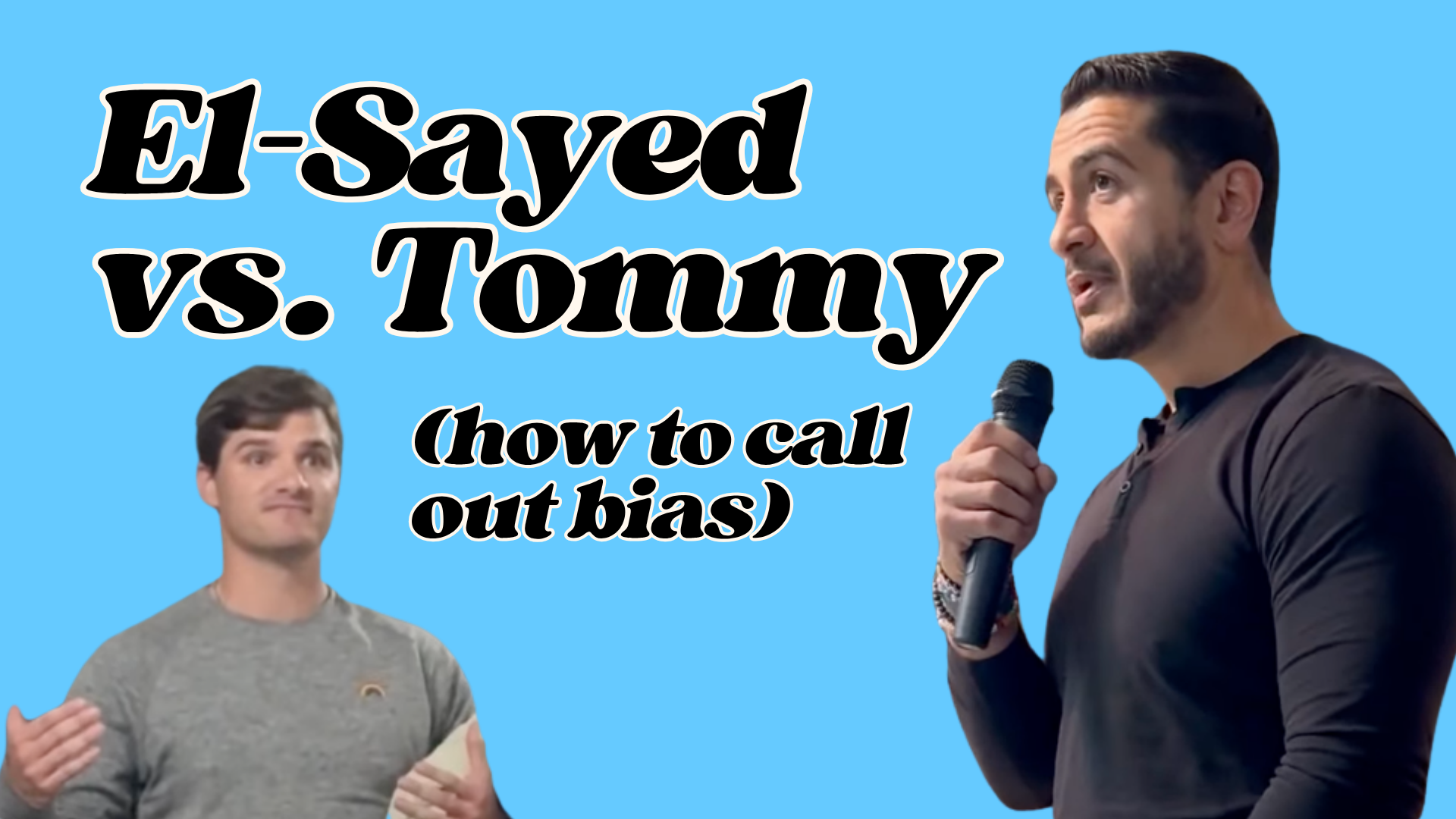
- What Dr. Abdul El-Sayed’s viral exchange with “Tommy” teaches us about staying calm and asking questions
- Why “What makes you say that?” beats preparing for a debate
- Confrontation as a practiced skill, and the difference between being kind and being nice
- How white people speaking up can create “places of rest” for people of color
- Why 98% of confronting happens with friends, family, and acquaintances, not strangers
- Taina’s “Tommy treatment” at a downtown LA restaurant, and Becky stepping in at the grocery store
- “What about racism against white people?” Racial bias vs. racism, explained
- Separating personal morality from systemic racism so we can actually do the work
Timestamps
- 00:40 – Monthly author Q&As coming to the Messy Liberation Circle
- 01:18 – Why Dr. Carter wrote Was That Racist?
- 02:48 – “Is it my place?” Speaking up when it’s not your lived experience
- 07:07 – Toxic individualism and the “not my business” mindset
- 08:49 – Listen to your body: discomfort as a call to engage
- 11:02 – 80% say they’d speak up; only 25–33% do
- 13:37 – The Abdul El-Sayed vs. “Tommy” video
- 18:44 – Confronting bias is a skill: kind vs. nice
- 21:24 – Confronting is about relationship: the 98% vs. 2% finding
- 24:40 – Why online arguments skew to the extremes
- 28:44 – Racial bias vs. racism
- 30:28 – How anyone, of any race, can uphold white supremacy
- 32:22 – Separating morality from systemic racism
- 32:54 – Systemic racism (and a Halloween analogy) in chapter five
- 34:13 – Where to get the book: libraries, Libby, and indie bookstores
Resources Mentioned
- Was That Racist? How to Detect, Interrupt, and Unlearn Bias in Everyday Life by Dr. Evelyn R. Carter
- Messy Liberation Circle, including the upcoming author Q&A with Dr. Carter
- Becky’s Yes and Otherwise conversation with Dr. Carter
- Dr. Abdul El-Sayed responds to “Tommy”
- Bookshop.org (support independent bookstores) and Libby (borrow the ebook or audiobook, narrated by Dr. Carter, from your library)
Question for you: Think about the last time someone close to you said something biased. What stopped you from speaking up, or what helped you do it? And how might “What makes you say that?” have changed the conversation?
📚 The Collective Care Reading List 📚
A curated TBR to define your community, take back your power & grow your liberation journey.